Bald Eagle Face: A Designer’s Review for Real Projects
As a designer who spends more time staring at stitch maps than actual thread, I have learned that not every machine embroidery design is created equal. Some are meant for quick, decorative filler, while others carry enough visual weight to become the centerpiece of a profitable craft business. When I first loaded the Bald Eagle Face file into my editing software, I wasn’t just looking for a bird; I was looking for character, clarity, and commercial viability. This review breaks down how this specific Embroidery asset performs in real-world scenarios, moving beyond the marketing copy to the practical realities of stitching it out.
First Impressions: Mood and Visual Personality
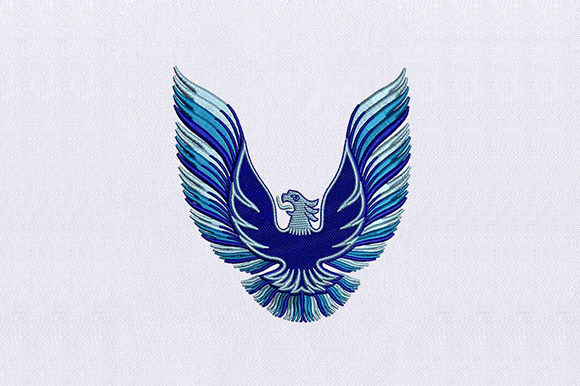
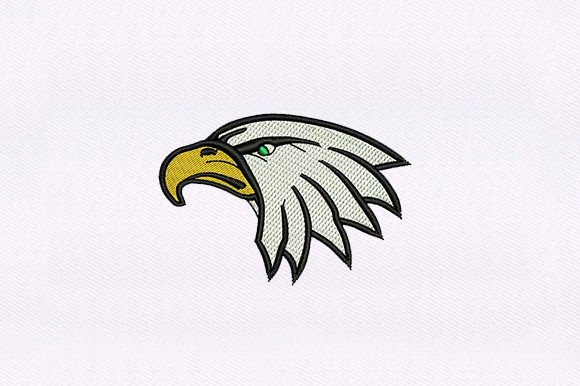
The immediate impression of the Bald Eagle Face is one of intensity and precision. In the world of Birds themed designs, there is a fine line between cartoonish and realistic. This design leans toward a dignified realism that commands attention. The layout focuses tightly on the facial features, which is a smart choice for embroidery. By cropping out the full body, the design allows for larger scale stitching within standard hoop limits, ensuring that the intricate details of the eye and beak do not get lost in translation.
The visual personality here is bold. It is not a shy design. It suits projects that need to make a statement, such as patriotic apparel, outdoor gear, or heritage-style home decor. For an Etsy seller or small shop owner, this means the design has built-in recognition. Customers do not have to guess what they are looking at, which reduces hesitation in the buying process. The mood is serious and classic, making it a versatile asset for both masculine and neutral product lines.
Real-World Application: From Mockup to Finished Product
To truly evaluate an embroidery file, you must imagine it stitched out. I visualized this design on a heavy canvas tote bag design. The result? Striking. The strong lines of the eagle’s face hold up well against the textured weave of canvas. However, when I considered it for a lightweight cotton t-shirt, I paused. The density required to render the feathers realistically might cause puckering on thin fabrics without proper stabilization.
This design shines brightest on structured items. Think sweatshirt embroidery on a high-quality fleece hoodie or a durable work shirt. The thickness of these garments supports the stitch count, allowing the fill stitch areas to lay flat and smooth. I also see great potential for an embroidered patch. If you plan to create iron-on or sew-on patches, this face-centric composition is ideal. It fits neatly into circular or shield-shaped backings, creating a professional-looking badge that appeals to veterans, hunters, or nature enthusiasts.
For those creating personalized gift items, consider the context. This is not a whimsical baby embroidery motif. It is better suited for adult gifts, such as a father’s day apron or a custom cap for a grandfather. Understanding the demographic fit is crucial for maximizing sales in your small shop product lineup.
Technical Considerations and Stitching Performance
Let’s talk about the mechanics. While the product description notes that this is a high-quality design, experienced designers know that "quality" is subjective to machine tension and fabric choice. The Bald Eagle Face likely utilizes a combination of satin stitch for the beak and eyes, and dense fill stitch for the feathering. This combination creates beautiful texture but requires careful handling.
Stitch density is the primary concern here. High-density areas can pull fabric, especially if you are working with stretchy materials like jersey knits. If you attempt this on a custom apparel piece made of thin polyester, you must use a cut-away stabilizer to prevent distortion. Tear-away stabilizers may not provide enough support for the repeated needle penetrations in the detailed eye area.
Another critical factor is hoop size. Ensure your machine’s hoop accommodates the full width of the design. Crowding the edges of the hoop can lead to misalignment, which is disastrous for a symmetrical face design. Always center the design precisely. Furthermore, check the thread colors recommended in the color change sequence. The contrast between the white head feathers and the dark body is essential for the design’s impact. If you substitute threads, ensure you maintain high contrast. A low-contrast thread choice will muddy the details, turning a sharp eagle into a blurry blob.
Navigating Fabric and Surface Challenges
Not every surface is friendly to this level of detail. Curved surfaces, such as the front panel of a baseball cap, present a challenge. The rigid structure of a cap buckram helps, but the curvature can distort the perspective of the face. If you are new to cap embroidery, test this design on a scrap piece of curved fabric first. Flat surfaces like pillow covers, kitchen towels, or tote bags are far safer bets for achieving a crisp finished product.
Dark fabrics require special attention. If you are stitching on black or navy, the white feathers will pop beautifully, but you may need to use an underlay or a topping material to prevent the dark fabric from peeking through the lighter stitches. This is particularly important for the finer details around the eye. A translucent topping can stabilize the pile of towels or fleece, ensuring the running stitch outlines remain visible and sharp.
Commercial Viability and Brand Consistency
For the commercial embroidery professional, consistency is key. This design offers a reliable aesthetic that can anchor a brand identity focused on strength, freedom, or American heritage. When creating printable mockup images for your online store, ensure the lighting highlights the texture of the stitches. Buyers of digital products or handmade goods want to see the dimensionality of the embroidery. A flat photo does not do justice to the tactile nature of this design assets package.
Before listing this as part of your inventory, verify the licensing terms. Most designers allow you to sell physical items made with their files, but restrictions often apply to sharing the digital embroidery file itself. Confirm whether the license covers mass production or if there are limits on the number of units you can sell. Protecting your business means respecting intellectual property rights.
Practical Designer Notes for Best Results
To ensure success with the Bald Eagle Face, follow these practical steps:
- Test on Scrap Fabric: Never stitch a new design directly on your final garment. Use a similar fabric scrap to check tension and density.
- Check Thread Contrast: Use a color wheel to select threads that offer maximum visibility. Avoid blending whites with creams unless intentional.
- Inspect Small Details: Zoom in on the eye and beak in your software. Ensure there are no unnecessary jumps or trims that could weaken the structure.
- Use Proper Stabilizer: Match the stabilizer to the fabric weight. Heavy fabrics need tear-away; stretchy fabrics need cut-away.
- Verify Hoop Size: Confirm the design dimensions fit comfortably within your available hoops, leaving at least an inch of margin.
- Review Licensing: Double-check the usage rights for commercial sales to avoid legal issues down the line.
In conclusion, the Bald Eagle Face is a robust addition to any designer’s library. It is not merely a picture of a bird; it is a carefully constructed embroidery project that demands respect for its technical requirements. When treated with the right materials and preparation, it elevates the perceived value of any handmade product. Whether you are decorating a single holiday embroidery gift or building a catalog for your Etsy seller storefront, this design delivers the professionalism and impact that customers expect. Take the time to test, adjust, and perfect your setup, and this eagle will soar on your products.