Beaver Embroidery: A Designer’s Review for Craft Fair Success
As an embroidery designer who has spent countless hours digitizing and testing patterns, I know that not every design translates well from the screen to a physical product. When I first loaded the Beaver machine embroidery design into my software, my immediate goal was to determine its viability for a busy weekend craft fair booth. For Etsy sellers, boutique makers, and creative entrepreneurs, the difference between a design that sits idle and one that sells out often comes down to visual clarity and emotional appeal. This review breaks down how this specific woodland animal motif performs in real-world production scenarios.
First Impressions: Charm Meets Rustic Appeal
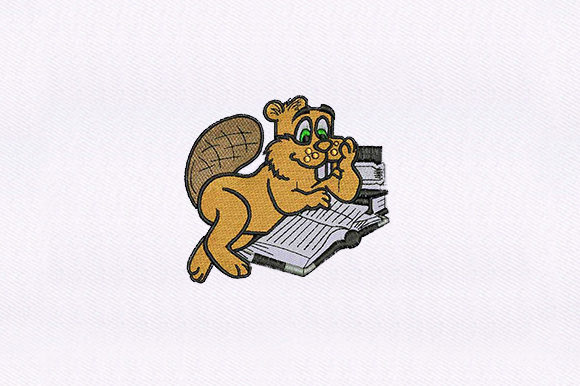
The Beaver design falls squarely into the Woodland Animals category, but it avoids being overly cartoonish or childish. Instead, it strikes a balance that feels both cute and rustic. In person, the design exudes a farmhouse charm that is currently trending in handmade markets. It is not overly complex, which means it reads well from a distance—a crucial factor when customers are walking past your table. The lines are clean, suggesting a modern touch that appeals to a broad demographic, from parents looking for unique gifts to adults who appreciate nature-inspired decor.
What stands out immediately is the potential for versatility. Because the design is described as high-quality and charming, it does not rely on excessive detail that might get lost on textured fabrics. This simplicity is a strength. It allows the embroidery to serve as a focal point without overwhelming the base material. For a small shop product, this kind of approachable aesthetic is vital for driving impulse buys.
Product Applications: Where Beaver Shines
To maximize sales, you must pair the right design with the right substrate. Here is how Beaver performs across various popular craft fair items:
- Tote Bags and Market Bags: This is arguably the best application for this design. A canvas tote provides a flat, stable surface that showcases the embroidery beautifully. The Beaver motif adds character to a utilitarian item, turning a simple bag into a statement piece. As a tote bag design, it appeals to eco-conscious shoppers who love woodland themes.
- Aprons and Kitchen Textiles: Tea towel embroidery and apron embroidery are staple sellers. The rustic nature of a beaver fits perfectly in a kitchen setting. Stitched on a linen or cotton apron, it creates a cohesive, handmade look that suggests quality and care. Ensure you use a cut-away stabilizer if the fabric is loose-weave to prevent puckering.
- Embroidered Patches: If you are looking to create low-cost, high-volume items, consider turning this into an embroidered patch. Patches are easy to display and allow customers to customize their own jackets or bags later. The design’s clear outlines should translate well to a patch format, provided the stitch density is adjusted for durability.
- Caps and Hats: While possible, caps require caution. The curved surface can distort the image if the design is too wide. If you attempt cap embroidery, ensure the design fits within the standard hoop size for hats and uses a stiff backing to maintain shape.
Production Practicality for Batch Selling
For commercial embroidery and small batch production, efficiency is key. The Beaver design appears to be optimized for speed without sacrificing quality. When preparing for a craft fair, you need products that can be produced quickly and consistently. A design that requires constant thread changes or excessive trimming slows down your workflow. Based on the description, this digital embroidery file seems designed for straightforward execution.
Photography is another critical aspect for the Etsy seller. A design with good contrast and clear shapes photographs well. Beaver should look crisp in online listings, whether you are using a flat lay or a lifestyle shot. Creating a printable mockup before stitching can help you visualize how the thread colors will pop against different fabric backgrounds. This step saves time and materials by allowing you to test color combinations digitally first.
Technical Considerations and Careful Use
Even high-quality designs require technical attention. Here are specific points to consider before launching your production run:
- Stitch Density and Fabric Texture: Check the stitch density of the file. If the density is too high for lightweight fabrics like tea towels, it may cause puckering. Always test on scrap fabric first. For textured towels, ensure the underlay stitches are sufficient to anchor the design without sinking into the pile.
- Thread Colors: The charm of this design relies on appropriate color choices. Earth tones—browns, tans, and soft greens—will enhance the woodland vibe. However, don’t be afraid to experiment with contrasting thread colors for a more modern, playful look. Just ensure there is enough contrast between the design and the fabric so the details remain visible.
- Hoop Size and Placement: Confirm the required hoop size before purchasing. If the design is large, you may need a 5x7 or larger hoop. For smaller items like pouches, ensure the design scales down without losing clarity. Tiny details can merge together if the design is reduced too much, so check the legibility at smaller sizes.
- Stabilizer Selection: Using the right stabilizer is non-negotiable for a professional finish. For woven fabrics like cotton tote bags, a tear-away stabilizer might suffice. For knits or stretchy materials, a cut-away stabilizer is essential to prevent distortion after washing.
Boosting Brand Consistency and Buyer Engagement
Incorporating Beaver into your product line can strengthen your brand identity if you position it correctly. If your shop focuses on nature, outdoors, or rustic home goods, this design assets fits seamlessly. It helps create a cohesive collection that tells a story. Customers are more likely to engage with a booth that has a clear theme. Displaying finished products like pillow covers, patches, and bags featuring the same Beaver motif creates a visually appealing array that draws the eye.
Furthermore, handmade quality is perceived through finishing. Trim all jump stitches, press the embroidered area carefully to avoid crushing the stitches, and ensure the back of the embroidery is neat. These small touches elevate the perceived value of the finished product, allowing you to price your items competitively while maintaining healthy margins.
Final Verdict for the Craft Fair Seller
The Beaver embroidery design is a strong contender for your next sewing project. It offers the right mix of cuteness and rustic appeal that resonates with current market trends. Its versatility across tote bags, aprons, and patches makes it a practical choice for diversifying your inventory. However, success depends on execution. Test your tension, choose your fabrics wisely, and verify the commercial licensing terms included with the digital embroidery file. By treating this design with the care it deserves, you can create standout handmade products that capture customer attention and drive sales at your next market event.