Bunny Embroidery Review: A Boutique Sweatshirt Essential
As an embroidery designer who has spent years refining digitizing techniques for small clothing brands, I approach every new machine embroidery design with a critical eye. It is not just about whether the image looks cute on a screen; it is about how those stitches translate onto fabric, how they hold up after washing, and ultimately, how they elevate a handmade product into a premium retail item. Recently, I evaluated the Bunny design for an upcoming limited drop of sweatshirts for a boutique client, and the results were telling. This review breaks down why this specific piece from the Baby Animals category stands out as a versatile asset for any Etsy seller or apparel decorator.
First Impressions: Mood and Stitching Personality
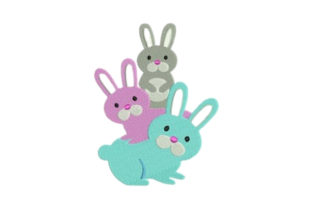
The first thing that strikes you about Bunny is its inherent charm. In a market saturated with generic clipart-style conversions, this design feels intentional. The mood is undeniably playful yet refined, striking a balance that is difficult to achieve in Embroidery. It does not scream "nursery decor" in a way that limits its audience to infants; instead, it possesses a whimsical quality that appeals to older children and even adults who appreciate cozy, nostalgic aesthetics.
The layout appears well-balanced, avoiding the cluttered look that often plagues complex animal designs. When I loaded the digital embroidery file into my software, the stitch path seemed logical, suggesting a smooth run time on the machine. The stitching personality leans towards soft and rounded, which complements the plush nature of fleece and French terry fabrics. For a boutique brand aiming to project warmth and comfort, this visual language is crucial. It feels decorative without being overly ornate, making it suitable for both casual wear and slightly more dressed-up seasonal apparel.
Adapting Bunny for Sweatshirt Embroidery
The true test of any design is its versatility across different garments. I tested Bunny on several variations of sweatshirts to gauge its impact. On neutral sweatshirts, such as heather grey or oatmeal, the design popped beautifully, offering a clean, modern look. The contrast allowed the details of the bunny’s features to stand out without overwhelming the garment. However, when applied to dark fabric, such as navy or charcoal, I had to be mindful of thread choice. Using lighter thread colors created a striking contrast that highlighted the silhouette, proving that this design can work across a broad color palette if managed correctly.
For oversized hoodies, I experimented with placement. While a standard left-chest placement is safe and professional, moving Bunny to the center chest gave it a bolder, more graphic feel. This approach works exceptionally well for a small shop product looking to make a statement. I also considered sleeve accents. Because the design is compact enough to remain readable at smaller scales, it serves as an excellent candidate for subtle branding on the cuff or upper arm. This flexibility allows creators to offer custom options, increasing the perceived value of the custom apparel.
Fabric Texture and Stabilizer Considerations
One cannot discuss sweatshirt embroidery without addressing the technical challenges of thick fabrics. Sweatshirts and hoodies have a significant pile and stretch, which can distort a design if not properly supported. During my trial runs, I found that using a cut-away stabilizer was non-negotiable. The density of the stitches in Bunny requires a stable foundation to prevent puckering, especially around the curved edges of the bunny’s ears and body.
The fabric texture of French terry can sometimes swallow finer details. Fortunately, this design maintains enough definition to remain clear even on textured surfaces. However, I recommend testing the stitch density settings on your specific machine. If the density is too high for a particular fleece, it may cause the fabric to bunch. Adjusting the pull compensation slightly can help the design lay flat, ensuring a professional finish that customers expect from a boutique brand.
Commercial Viability and Brand Identity
For commercial embroidery purposes, durability is paramount. A finished product must withstand repeated washing without losing its shape or thread integrity. The robust nature of the Bunny design suggests it is built to last. The stitches appear interlocked in a way that resists unraveling, which builds buyer trust. When a customer receives a hoodie where the embroidery remains pristine after several washes, their confidence in the brand grows. This reliability is a key component of brand identity for any serious Etsy seller.
Moreover, the aesthetic of Bunny contributes to visual recognition. In a sea of generic text-based shirts, a well-executed animal motif creates a memorable visual hook. It signals that the brand pays attention to detail and cares about the artistic quality of its offerings. This emotional connection drives customer engagement and can justify a higher price point. The design feels premium because it avoids the cheap, jagged look of poorly digitized files. Instead, it offers a smooth, polished appearance that aligns with high-end handmade presentation.
Marketing and Presentation Tips
When listing this item, the visual presentation is just as important as the stitching itself. Use a printable mockup to show potential buyers how Bunny looks on different colored garments before they purchase. High-quality photos that capture the texture of the threads against the hoodie design background can significantly boost conversion rates. Highlight the versatility of the design in your descriptions, noting its suitability for kids’ wear, baby showers, or even adult loungewear.
Since this machine embroidery design comes with multiple embroidery file formats, it is accessible to a wide range of users. Whether you are using a single-needle home machine or a multi-needle commercial setup, the compatibility ensures a smoother workflow. However, always verify the specific hoop size requirements included in the package. Ensuring the design fits within your available hoop dimensions is a critical step before starting production. Additionally, check the license terms to confirm that commercial use is permitted for your specific business model.
Final Verdict for Designers
In conclusion, Bunny is more than just a cute graphic; it is a strategic tool for enhancing a boutique brand’s apparel line. Its adaptability across various fabric types and placements makes it a valuable addition to any designer’s library. By paying attention to stabilizer choices and thread contrasts, you can maximize the impact of this design. For those looking to expand their design assets with reliable, high-quality motifs, this piece from the Baby Animals collection delivers both aesthetic appeal and technical performance. It is a solid choice for creating standout pieces in the competitive world of online retail.