Green Olives: A Mediterranean Embroidery Review
As an embroidery designer who has spent countless weekends behind a craft fair table, I have learned that the difference between a browser and a buyer often comes down to immediate visual impact. When I first loaded the Green Olives machine embroidery design onto my screen, my initial reaction was one of relief mixed with excitement. In a market saturated with generic florals and overused typography, this cute green olive embroidery design offers a refreshing pivot toward Mediterranean charm. It is not just about stitching; it is about creating a vibe. For those of us running small shop products or Etsy seller accounts, finding a niche aesthetic that feels both modern and timeless is the holy grail. This review breaks down how this specific Food-themed Embroidery asset performs in the real world of handmade production.
First Impressions and Aesthetic Appeal
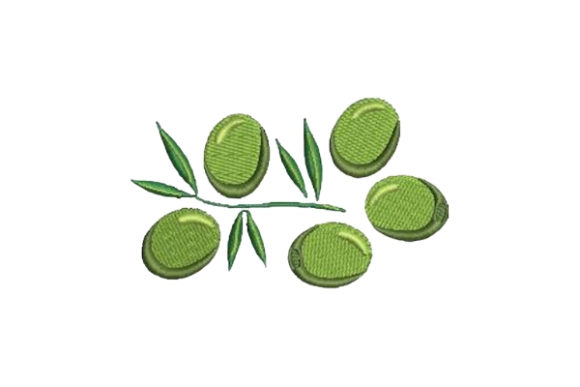
The immediate impression of Green Olives is that it strikes a delicate balance between rustic and refined. It does not scream for attention with neon brightness; instead, it invites the viewer in with a sense of culinary warmth. The description notes that it is perfect for your Mediterranean-themed project, and visually, it delivers on that promise. The design feels organic and approachable. For a craft fair booth, this is crucial. Customers walking past a table need to understand the product within three seconds. This design communicates "fresh," "homemade," and "quality" instantly. It avoids the clutter that often plagues complex embroidery files, making it an ideal candidate for buyers who appreciate minimalism but still want decorative flair.
Product Versatility for Craft Fair Sellers
When preparing a table display, variety is key, but consistency is king. I evaluated where Green Olives would stand out among typical handmade items. Here is how it performs across different substrates:
- Tote Bags and Market Bags: This is arguably the strongest application. A natural canvas tote bag with the Green Olives tote bag design centered or placed on the lower corner creates an instant bestseller. It appeals to the eco-conscious shopper who loves food and style.
- Aprons and Tea Towels: Kitchen textiles are staples at any fair. The apron embroidery potential here is high because the design is compact enough not to interfere with pockets or ties. For tea towel embroidery, the contrast of green thread against white or cream linen looks exceptionally premium.
- Embroidered Patches: If you are looking to create low-cost impulse buys, turning this into an embroidered patch is a smart move. Patches allow customers to customize their own jackets or bags, extending the life of the design assets beyond pre-made goods.
- Caps and Hats: Curved surfaces are tricky. However, if the design is scaled correctly, it works well on the front panel of a dad hat. It adds a touch of whimsy without looking childish.
- Pillow Covers and Pouches: For home decor, this design serves as a lovely accent. It fits well on small fabric pouches used for cosmetics or pencils, offering a cohesive look for gift sets.
Production Practicality and Batch Efficiency
For the commercial embroidery producer, time is money. One of the most appealing aspects of this digital embroidery file is its likely efficiency. While I do not have the exact stitch count from the provided snippet, the description implies a "beautifully crafted" yet "cute" design, which usually suggests moderate density. High stitch density can cause puckering, especially on lighter fabrics like tea towels. Therefore, checking the stitch density before running a full batch is essential.
This design appears to be highly repeatable. Unlike intricate portraits or massive landscapes, Green Olives is compact. This means you can hoop multiple items quickly or use multi-head machines efficiently. It photographs beautifully for online listings because the shapes are distinct and recognizable even in thumbnail views on mobile devices. For an Etsy seller, having a design that translates well from a small screen to a physical finished product is vital for reducing return rates and increasing customer satisfaction.
Careful-Use Notes and Technical Considerations
Even the best designs have limitations. To ensure your handmade product maintains a professional quality, consider these technical constraints:
- Fabric Texture and Type: The design may lose clarity on highly textured towels or thick, nubby fabrics. Always test on scrap fabric first. Smooth cottons, linens, and canvas yield the crispest results.
- Thread Contrast: Since the subject is green olives, ensure your thread colors pop against the background. Dark green thread on a navy bag might vanish. Use a lighter olive or add a contrasting outline if the design allows, or simply choose light-colored fabrics.
- Stabilizer Selection: Using the right stabilizer is non-negotiable. For stretchy fabrics like t-shirts or thin tea towels, a cut-away or high-quality tear-away stabilizer will prevent distortion. The hoop size must match the design dimensions to avoid unnecessary re-hooping.
- Small Details: If the design includes tiny stems or highlights, ensure they are not too fine for the needle size you are using. Tiny details can break or get lost in the fabric weave if the scale is reduced too much.
- Curved Surfaces: When embroidering caps, use a cap frame and appropriate backing. The curvature can distort circular shapes, so centering is critical.
Enhancing Brand Consistency and Visual Appeal
Incorporating Green Olives into your lineup helps build a cohesive brand story. If your shop focuses on kitchenware, garden themes, or Mediterranean lifestyle, this design reinforces that narrative. It adds to your booth display strength by offering a thematic anchor. Customers are more likely to engage with a display that tells a story rather than one that looks like a random assortment of items.
Furthermore, creating a printable mockup with this design can significantly boost your online presence. Show the design on a styled kitchen counter or a picnic blanket in your product photos. This context helps buyers visualize the finished product in their own homes, increasing perceived value. It transforms a simple stitch pattern into a lifestyle aspiration.
Final Designer Verdict
Before you launch this into your store, remember to confirm commercial licensing. The snippet provided does not specify license terms, so you must check the original source to ensure you are cleared for selling finished products. Additionally, verify the available file formats and hoop sizes to match your machine capabilities.
Overall, Green Olives is a strong contender for any embroidery business owner looking to expand their Food category offerings. It is versatile, aesthetically pleasing, and practical for production. By paying attention to fabric texture, thread contrast, and stabilizer choice, you can turn this digital asset into a high-margin craft fair product. Whether you are stitching a single apron or batching fifty tote bags, this design offers the fresh, elegant look that modern handmade shoppers crave. It is a reminder that sometimes, the simplest subjects, executed with precision, create the most memorable impressions.