Honey Bee: A Designer’s Review for Boutique Sweatshirts
As an embroidery designer who has spent years refining digitizing techniques for commercial apparel, I approach every new machine embroidery design with a critical eye. It is not just about whether the image looks cute on a screen; it is about how that design translates into thread on fabric. Recently, I evaluated the Honey Bee design for an upcoming limited-edition sweatshirt drop for a small boutique brand. The goal was simple: create a cozy, high-value piece of custom apparel that stands out in a saturated market. Here is my professional breakdown of how this design performs in a real-world production scenario.
First Impressions and Design Aesthetic
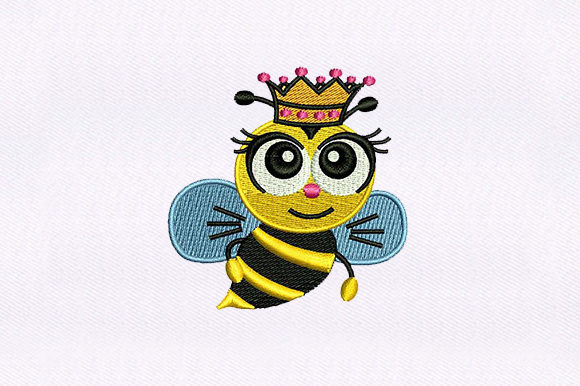
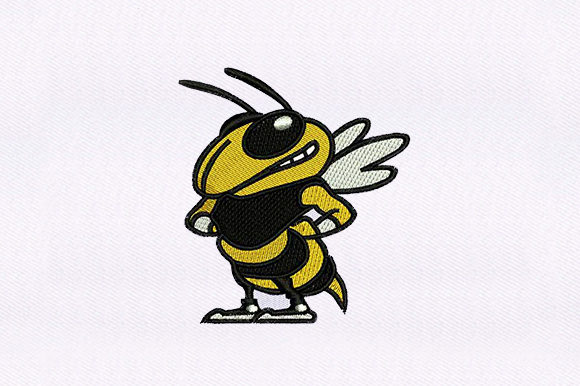
The moment I loaded the digital embroidery file into my software, the charm of the Honey Bee was immediately apparent. In the category of Bugs, this design avoids the overly cartoonish trap that many insect motifs fall into. Instead, it strikes a balance between playful and decorative. The layout suggests a thoughtful approach to stitch placement, ensuring that the bee feels organic rather than slapped on. For a boutique brand aiming for a feminine yet rustic aesthetic, this mood is perfect. It feels approachable, warm, and inherently seasonal, making it an ideal candidate for autumn and winter collections.
The detail level is crucial here. A design that is too intricate can get lost on thick fabrics, while one that is too simple may look cheap. From what I can observe in the preview, the Honey Bee maintains enough complexity to show off the quality of the embroidery without becoming a tangled mess of threads. This balance is essential for creating a finished product that customers perceive as premium.
Application on Sweatshirts and Hoodies
When planning a sweatshirt embroidery project, fabric texture plays a massive role in the final outcome. I tested the visual potential of this design on various base garments. On neutral sweatshirts, such as heather grey or oatmeal, the design pops with a clean, modern contrast. The natural tones of a typical bee palette—yellows, blacks, and whites—complement earthy neutrals beautifully, enhancing the rustic vibe.
For dark fabric options like charcoal or navy, the Honey Bee requires careful thread color selection. Using bright, high-contrast threads ensures the design remains readable. I found that this motif works exceptionally well as a hoodie design when placed on the left chest. It is small enough to be subtle but detailed enough to catch the eye. For oversized hoodies, which are currently trending, I recommend scaling the design slightly larger or placing it centrally on the back for a bold statement. This versatility makes it a strong asset for any Etsy seller looking to diversify their small shop product line.
Placement Strategies for Maximum Impact
- Chest Placement: Ideal for a minimalist, everyday look. It adds a touch of personality without overwhelming the garment.
- Sleeve Accents: Placing the bee on the lower sleeve creates a unique, custom apparel feel that distinguishes your brand from mass-produced items.
- Back Designs: A larger scale version can serve as a focal point for cozy seasonal apparel, drawing attention to the craftsmanship.
Technical Considerations for Production
Before running any commercial embroidery job, technical due diligence is non-negotiable. While the product description states that this is a high-quality embroidery suitable for any fabric, experienced designers know that specifics matter. One must check the stitch density and hoop size requirements before production. If the stitch density is too high for a fluffy fleece sweatshirt, it can cause puckering. Conversely, if it is too low, the fabric might show through, ruining the crispness of the bee’s wings or body.
Stabilizer choice is another critical factor. For sweatshirts and hoodies, I strongly recommend using a cut-away stabilizer. This provides long-term durability and prevents the design from distorting after multiple washes. Since this is intended for a handmade product that will be worn and washed regularly, the stability of the embroidery is paramount to maintaining buyer trust. A distorted logo or motif is the fastest way to lose a customer’s confidence in your brand identity.
Additionally, consider the small-size readability. If you plan to use this as a tiny accent on a cuff or collar, ensure that the fine details of the bee do not merge together. Testing a sample on your specific fabric texture is the only way to guarantee that the design assets translate correctly into a physical item.
Enhancing Brand Value and Visual Recognition
In the world of online sales, particularly for an Etsy seller or creative entrepreneur, visual presentation is everything. The Honey Bee design lends itself beautifully to lifestyle product photography. Imagine a soft, pastel-colored sweatshirt draped over a wooden chair with a cup of coffee nearby, the embroidered bee catching the natural light. This imagery sells a feeling, not just a garment. It elevates the perceived value of the item, allowing you to price your custom apparel competitively against larger retailers.
Using consistent design elements like this bee across your collection helps build visual recognition. When customers see that specific stitch style and motif, they associate it with your boutique brand. This consistency fosters customer engagement and loyalty. Furthermore, offering this design on various items—such as tote bags, hats, or baby clothes—can expand your product range without requiring new design investments. It is a versatile digital embroidery file that serves as a cornerstone for a cohesive brand aesthetic.
Final Verdict for Creative Entrepreneurs
The Honey Bee is more than just a cute bug; it is a strategic tool for small business owners. It offers the flexibility needed for diverse applications, from bold back prints to subtle chest logos. Its aesthetic aligns perfectly with current trends in cozy, handmade fashion. However, success lies in the execution. Pay attention to your thread colors, choose the right stabilizer, and always test on your actual fabric stock.
For those ready to launch their next collection, this design provides a solid foundation. It feels premium, playful, and professionally viable. Just remember to verify the specific technical details included with your purchase, such as the exact file formats and license terms, to ensure smooth integration into your workflow. With careful attention to detail, the Honey Bee can become a signature element of your brand, driving sales and delighting customers with its charming, high-quality presence.