Husky Embroidery Review: Elevating Small Business Merch
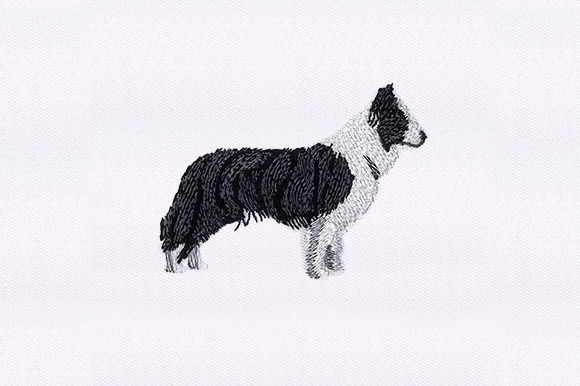
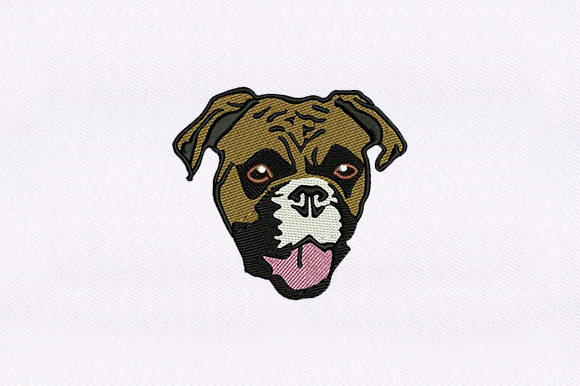
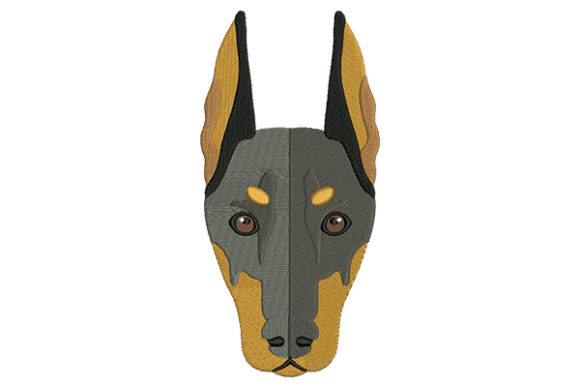
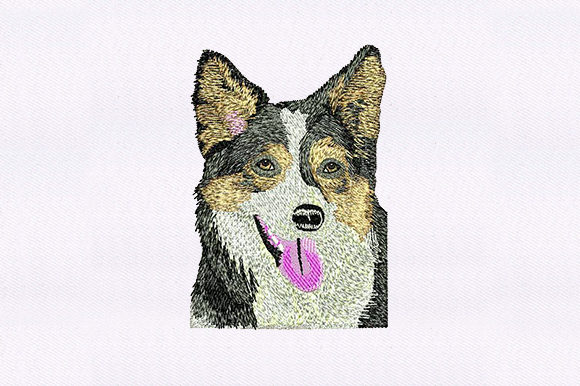
As an embroidery designer who has spent years digitizing and testing files for commercial use, I approach every new machine embroidery design with a critical eye. It is not just about whether the image looks cute on a screen; it is about how that design performs under the needle, how it wears after fifty washes, and most importantly, how it serves the brand identity of the business using it. Today, I am reviewing the Husky design, a file categorized under Dogs, to determine its viability for small business merchandise, branded patches, and custom apparel.
The product description states that this is a high-quality embroidery intended to give character to any fabric or clothes. For a boutique owner, a café manager, or an Etsy seller, "character" is a valuable commodity. However, in the world of commercial embroidery, character must be balanced with technical precision. Let us dive into how the Husky design holds up when moved from a digital concept to a tangible, revenue-generating asset.
First Impressions: Visual Personality and Brand Fit
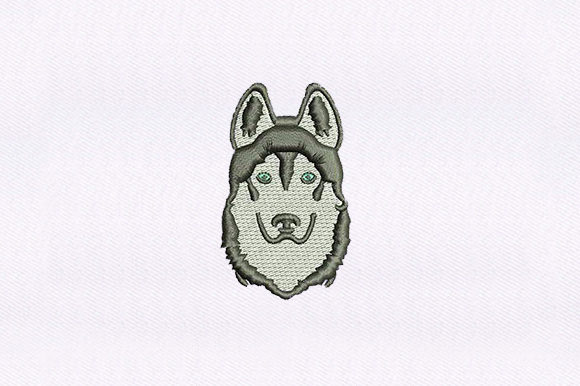
Upon loading the preview of the Husky design, the immediate impression is one of approachability. The subject matter—a husky—naturally evokes feelings of loyalty, energy, and friendliness. For businesses in the pet industry, outdoor retail, or cozy local cafés, this visual personality is a strong match. The design feels playful yet structured, avoiding the overly cartoonish look that can sometimes undermine a premium brand.
For handmade brands and creative studios, the aesthetic strikes a balance between modern and classic. It does not feel dated, nor does it rely on fleeting trends. This longevity is crucial for small business merch. You do not want to reprint your entire inventory because a design style fell out of favor. The Husky design offers a timeless appeal that can anchor a collection of design assets for months or even years.
Real-World Applications for Commercial Use
The true test of any digital embroidery file is its versatility. Can it survive the transition from a mockup to a finished product? Here is how I envision the Husky design performing in various commercial scenarios:
- Embroidered Patches: This is perhaps the strongest use case. A well-digitized husky makes for an excellent iron-on or sew-on patch. Patches are low-risk, high-margin items for boutiques. They allow customers to customize jackets, bags, and hats without the business needing to hold inventory of pre-embroidered garments.
- Staff Uniforms and Aprons: For bakeries, florists, or pet groomers, an apron embroidery featuring the Husky design adds a layer of professionalism and warmth. It humanizes the staff and creates a memorable visual touchpoint for customers. However, placement is key; a chest pocket location often works best for this scale.
- Cap Embroidery: Hats are a staple of promotional merchandise. The Husky design could work beautifully on the front panel of a baseball cap or as a side detail on a beanie. The key here is ensuring the design width fits the curved surface without distortion.
- Tote Bag Design: Canvas tote bags are popular eco-friendly alternatives to plastic. Embroidering the Husky design on a tote adds perceived value, transforming a simple bag into a handmade product that customers are proud to carry.
Technical Considerations and Potential Pitfalls
While the aesthetic appeal is strong, we must address the technical realities of stitching this design. The description notes it gives character to clothes, but it does not specify stitch count or density. As a designer, I advise caution in the following areas:
Stitch Density and Fabric Texture: If the Husky design has high stitch density, it may cause puckering on lightweight fabrics like thin cotton t-shirts or silk blends. Always test on the specific fabric you intend to use. For textured fabrics like towels or heavy canvas, ensure the design has enough open space to prevent the stitches from sinking into the pile.
Small Patch Sizes: If you plan to shrink this design for a small label or a tiny chest logo, check the detail level. Fine details in the fur or facial features of a dog can merge together if the design is scaled down too far. I recommend creating a printable mockup at actual size to inspect legibility before running a production batch.
Thread Colors and Contrast: The success of this design relies heavily on thread colors. A husky typically requires shades of white, gray, black, and perhaps blue for the eyes. On dark uniforms, you may need to adjust the color palette or add a satin stitch border to ensure the design pops. Test it in black and white first to see if the contrast holds up without color reliance.
Enhancing Brand Identity and Customer Trust
Why invest in a quality embroidery file like Husky? Because it directly impacts brand identity. In a market saturated with printed graphics, embroidery signals quality, durability, and attention to detail. When a customer receives a item with a crisp, well-stitched Husky emblem, it builds trust. It suggests that the business cares about the tactile experience of their products.
For Etsy sellers and crafters, offering custom apparel with unique embroidered designs differentiates you from drop-shippers. It allows you to charge a premium price point. The Husky design, when executed well, becomes a signature element of your brand. It aids in recognition; customers begin to associate that specific stylized dog with your shop’s quality and vibe.
Practical Designer Notes for Production
Before you purchase or download this file for commercial embroidery projects, follow these steps to ensure success:
- Verify File Specifications: The provided description does not list the hoop size, file formats (such as PES, DST, or JEF), or exact dimensions. Contact the seller or check the product page thoroughly to ensure compatibility with your machine.
- Check Licensing Terms: Confirm that the license allows for commercial use. Some files are for personal use only. Using a personal-use file for small business merch can lead to legal issues.
- Use Proper Stabilizer: Depending on the fabric, choose the right stabilizer. Cut-away stabilizer is generally best for garments that will be washed frequently, while tear-away may suffice for decorative items like tote bags that see less wear.
- Create Client Mockups: If you are designing for a client, place the Husky design on a realistic photo of their product. This helps manage expectations and ensures the placement and size meet their branding guidelines.
- Test on Scrap Fabric: Never run a new design on final product fabric without a test stitch-out. Check for thread breaks, nesting, or registration issues.
Final Verdict
The Husky embroidery design presents a solid opportunity for small business owners looking to add personality to their merchandise. Its appeal spans across various industries, from pet brands to local cafes. However, its success depends entirely on proper execution. By paying attention to fabric texture, stabilizer choice, and placement, you can transform this digital file into a powerful tool for brand building.
Remember, embroidery is not just decoration; it is a tactile representation of your brand’s values. If you prioritize quality control and thoughtful application, the Husky design can become a standout element in your product line, driving engagement and enhancing the perceived value of your handmade product offerings. Always review the specific technical details of the file before production to ensure it meets the rigorous demands of your business.