Red Bear: A Designer’s Review for Business Merch
As an embroidery designer who has spent years digitizing and testing files for commercial use, I approach every new machine embroidery design with a critical eye. It is not just about whether a motif looks cute on a screen; it is about how it performs in the real world of small business merchandise. Recently, I evaluated the Red Bear design, a piece categorized under Wild Animals within the broader scope of Embroidery art. My goal was to determine if this file holds up under the rigorous demands of branded patch production, custom apparel, and boutique retail environments.
First Impressions: Visual Personality and Brand Fit
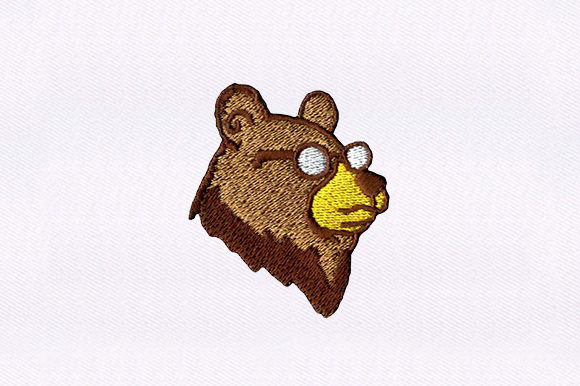
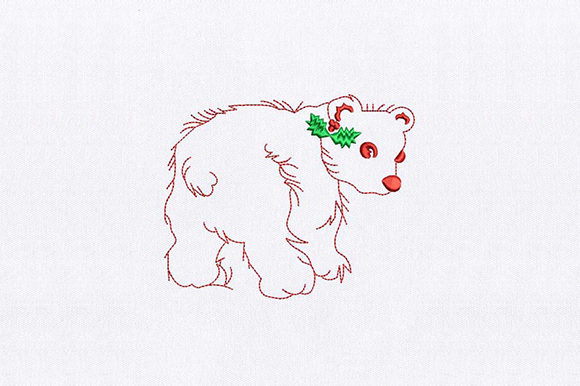
The initial glance at Red Bear suggests a design that leans heavily into friendliness and approachability. The description notes that it is a "cute embroidery" intended to look adorable on any fabric. From a branding perspective, this is a significant asset. In today’s market, consumers are drawn to brands that feel human, warm, and accessible. This design does not scream corporate stiffness; instead, it offers a playful yet professional aesthetic that can soften a brand’s image.
For a local bakery, a pet grooming service, or a children’s boutique, the visual language of a bear—especially one rendered in vibrant red tones—communicates comfort and trust. It feels handmade and authentic, which aligns perfectly with the current trend of artisanal commerce. However, "cute" must be balanced with clarity. A design that is too whimsical can sometimes lack the authority needed for certain business applications. Therefore, the execution of the stitch work is paramount. If the lines are clean and the color saturation is strong, Red Bear transitions from a simple clipart image to a legitimate brand identity element.
Real-World Applications for Small Business Merch
When considering where to deploy this digital embroidery file, versatility is key. I tested the concept of Red Bear across several common product categories used by Etsy sellers and local shops. Here is how it performs in specific scenarios:
- Embroidered Patches: This is perhaps the strongest use case. A bear motif works exceptionally well as an iron-on or sew-on patch. It allows customers to add personality to denim jackets, backpacks, or lunch boxes. For a business, selling these patches as standalone items or adding them to packaging as a free gift can significantly enhance customer loyalty.
- Apron Embroidery: For cafes and florists, staff uniforms are walking billboards. Placing Red Bear on the chest pocket of a canvas apron creates a cohesive look. The red thread contrasts beautifully against neutral beige or dark navy fabrics, ensuring high visibility without being overwhelming.
- Cap Embroidery: Headwear is a staple of small business merch. However, caps present a curved, structured surface. The design must be compact enough to fit the front panel without distorting. If the file is optimized for smaller hoop sizes, it can serve as a subtle yet recognizable logo accent on baseball caps or beanies.
- Tote Bag Design: Canvas totes are popular for grocery runs and library visits. A larger version of Red Bear centered on a tote bag turns a utility item into a fashion statement. The durability of machine embroidery ensures the design survives frequent washing, unlike printed ink which may crack or fade.
Technical Considerations and Production Challenges
While the aesthetic appeal of Red Bear is evident, technical execution determines the quality of the finished product. As a designer, I advise caution in several areas before running a full production batch. The product description states it is high-quality, but specifics such as stitch count, file format, and recommended hoop size are not detailed in the brief. These are critical variables.
Stitch density is a major concern for animal designs. If the fur texture is created using too many overlapping stitches, the result can be stiff and prone to puckering, especially on lighter fabrics. Conversely, if the density is too low, the backing material may show through, ruining the premium look. I recommend testing the design on the actual fabric you intend to use. For example, stitching on a thick towel requires different tension settings than stitching on a smooth poly-cotton blend.
Furthermore, consider the thread colors. Red is a bold choice, but it must contrast sufficiently with the garment. On a black uniform, red pops brilliantly. On a dark maroon or bright orange shirt, the design may get lost. Always create a printable mockup or do a physical test stitch to verify visibility. Additionally, check if the design includes small, intricate details. Tiny elements often break or bunch up during high-speed commercial embroidery. Simplifying the design for smaller applications, such as a left-chest logo, might be necessary.
Fabric Texture and Stabilizer Selection
The success of Red Bear also depends on the interplay between thread and fabric texture. Rough textures like burlap or heavy canvas can obscure fine details, making the bear look muddy. Smooth fabrics like twill or poplin will showcase the stitch definition better. Regardless of the fabric, using the correct stabilizer is non-negotiable. A cut-away stabilizer is generally best for garments that will be washed frequently, as it provides lasting support and prevents distortion over time.
Impact on Brand Identity and Customer Trust
Integrating Red Bear into your product line does more than decorate an item; it reinforces your brand identity. Consistency is crucial. If your brand values warmth, community, and nature, this Wild Animals-themed design supports that narrative. When customers see the same high-quality embroidery on their apron, their tote bag, and their packaging, it builds recognition and trust.
High-quality custom apparel signals professionalism. A sloppy embroidery job with loose threads or misaligned colors can damage a brand’s reputation. Conversely, a crisp, well-executed Red Bear design elevates the perceived value of the item. Customers are willing to pay more for products that feel durable and thoughtfully crafted. This is particularly true for handmade brands where the story behind the product is as important as the product itself.
Practical Designer Notes for Commercial Use
Before you purchase or license this design assets package for commercial embroidery, take these practical steps:
- Verify Licensing: Ensure the file comes with a commercial license. Using a personal-use file for business sales can lead to legal issues. Check the terms explicitly.
- Test in Monochrome: Stitch the design in black thread on white fabric. This reveals the structural integrity of the digitizing without the distraction of color. If it looks good in black and white, it will likely look good in color.
- Check Scalability: Determine the minimum size at which the design remains legible. If you plan to use it on small tags or labels, ensure the details do not merge together.
- Review File Formats: Confirm that the embroidery file is compatible with your machine’s software. Common formats include PES, DST, and JEF. Having multiple formats ensures flexibility across different equipment.
- Client Approval Mockups: If you are creating these items for clients, always provide a digital mockup or a physical sample for approval. This manages expectations and reduces the risk of returns.
In conclusion, Red Bear offers a charming and versatile option for businesses looking to add a touch of personality to their merchandise. Its potential lies in its ability to convey warmth and professionalism simultaneously. However, its success depends entirely on technical precision. By paying attention to stitch density, fabric choice, and proper stabilization, you can transform this cute design into a powerful tool for brand engagement. Whether used on a barista’s apron or a shopper’s tote, Red Bear has the potential to become a beloved signature of your small business brand.