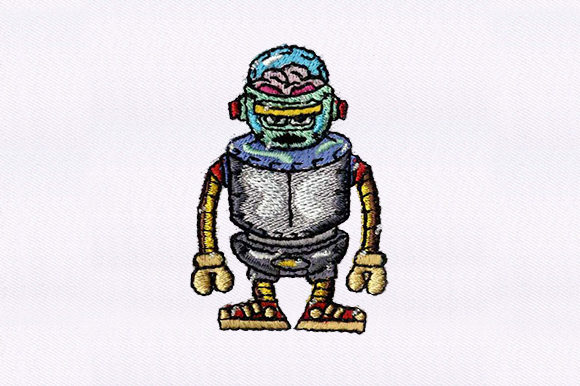
Robot Embroidery Design: A Seller’s Review
As an experienced embroidery seller, I am always on the lookout for designs that strike the perfect balance between visual appeal and stitchability. When browsing Creative Fabrica embroidery collections, my primary goal is to find assets that will elevate my small shop’s product line without causing production headaches. Recently, I came across a design simply titled Robot. At first glance, the simplicity of the title might suggest a generic asset, but for those of us in the craft business, niche themes often hold the highest profit potential. This review explores how this specific machine embroidery design can be leveraged by Etsy sellers and creative entrepreneurs to build a profitable, modern product collection.
Visual Personality and Market Fit
The Robot design falls squarely into the "playful" and "modern" categories. In the current market, there is a sustained demand for whimsical, tech-inspired motifs that appeal to both children and adults who appreciate geek-chic aesthetics. Unlike rustic or floral designs that saturate the handmade market, robot-themed Embroidery offers a distinct niche. It feels bold yet approachable, making it versatile enough for gender-neutral marketing. This is crucial for sellers aiming to maximize their audience reach. The design’s described high quality suggests clean lines and well-defined shapes, which are essential for maintaining clarity when stitched on various textiles.
For an Etsy seller, the visual personality of a design dictates its placement. This particular motif does not scream "seasonal" in the traditional sense, meaning it has evergreen potential. However, it can easily be adapted for back-to-school campaigns, birthday gifts for young engineers, or even Father’s Day collections. The key is positioning it not just as a cute image, but as a statement piece that adds character to everyday items.
Product Applications for Small Shops
When evaluating a new digital embroidery file, I immediately brainstorm where it will look best. The Robot design is highly adaptable. Here is how I would integrate it into a small batch production run:
- Custom Apparel: This is the most obvious application. Imagine this design centered on the chest of a heather grey sweatshirt or the sleeve of a denim jacket. Sweatshirt embroidery sells exceptionally well when the design is crisp and legible. For kids’ clothing, placing it on the pocket area of a t-shirt creates a subtle, premium look.
- Tote Bags and Canvas Items: A tote bag design featuring a robot appeals to students and tech workers. The sturdy fabric of canvas bags supports higher stitch densities, allowing the details of the robot to pop without sinking into the material.
- Baby and Kids’ Goods: While robots are often seen as masculine, a soft color palette can make this a hit for baby embroidery projects. Think navy blue onesies or neutral-colored baby blankets. It serves as a fantastic personalized gift for newborns, especially when paired with the child’s name in a complementary font.
- Home Decor and Kitchen Textiles: Don’t overlook kitchen towel embroidery. A quirky robot on a flour sack towel makes for an inexpensive impulse buy at craft fairs. Similarly, embroidered pillow covers can transform a plain living room into a playful space.
- Patches and Accessories: If the hoop size permits, creating iron-on embroidered patch versions allows customers to customize their own gear. This lowers your inventory risk since you can sell the patch separately from the garment.
Enhancing Perceived Value for Buyers
In the world of commercial embroidery, perceived value is everything. A well-executed robot design helps a product feel more giftable and professional. Online shoppers often scroll quickly, so the design must be memorable. The geometric nature of robots tends to photograph well, creating sharp contrasts that stand out in thumbnail images. This is vital for improving click-through rates on platforms like Etsy.
Furthermore, using a cohesive theme like Robots allows for better branding. Instead of selling random items, you can create a "Tech & Play" collection. This narrative helps customers understand your brand identity. When a buyer sees a consistent aesthetic across your handmade product listings, they are more likely to trust the quality of your work. The design acts as an anchor, making your shop look curated rather than cluttered.
Practical Production Notes for Sellers
Before adding any new asset to your inventory, practical testing is non-negotiable. While the product description states this is a high-quality embroidery suitable for any fabric, experienced sellers know that details matter. Here is my checklist for integrating the Robot design into your workflow:
- Verify Technical Specifications: The provided description does not list exact stitch counts, file formats, or compatible hoop sizes. You must confirm these details on the Creative Fabrica product page before purchase. Ensure the files are compatible with your specific machine brand (Brother, Janome, Husqvarna, etc.).
- Test Stitch-Outs: Always run a test on scrap fabric similar to your final product. Check the stitch density. If the design is too dense, it may cause puckering on lighter fabrics like baby onesies. If it is too sparse, the backing might show through on dark garments.
- Stabilizer Selection: Robots often have straight lines and sharp angles. Using the correct stabilizer is critical to prevent distortion. For knits like sweatshirts, a cut-away stabilizer is usually recommended to maintain shape over time.
- Thread Color Experimentation: Do not rely on the default thread colors shown in the preview. Test metallic threads for a futuristic look, or pastel shades for a softer, nursery-friendly vibe. Document these combinations for your printable mockup creation.
- Licensing Compliance: Review the license terms carefully. Most Creative Fabrica designs allow for commercial use on physical products, but restrictions may apply to digital resale or print-on-demand services. Ensure you are compliant to protect your craft business.
Marketing and Photography Strategy
Once you have perfected the stitch-out, focus on presentation. The Robot design should be photographed in contexts that highlight its versatility. Use natural lighting to show the texture of the stitches. Create lifestyle shots showing the design on a child playing with toys, or on a desk next to a laptop for the adult market. These images help the buyer visualize the finished product in their own life.
Social media previews should emphasize the customization aspect. Show behind-the-scenes videos of the embroidery process. Customers love seeing the needle work, as it reinforces the value of a handmade product versus mass-produced goods. Highlight the precision of the robot’s features to demonstrate your technical skill.
Final Verdict for Creative Entrepreneurs
The Robot embroidery design represents a solid opportunity for sellers looking to diversify beyond traditional floral and seasonal motifs. Its modern, playful aesthetic fits well within the growing niche of geek-culture and gender-neutral children’s decor. By carefully selecting fabrics, optimizing thread colors, and ensuring proper stabilization, you can create high-margin items that stand out in a crowded marketplace.
Remember, success in custom apparel and home decor comes from consistency and quality. Use this design as a foundation for a themed collection, and always prioritize the customer experience by delivering a flawless, professional finish. Whether you are expanding your Etsy shop or preparing for a local craft fair, this design offers the flexibility and charm needed to attract discerning buyers. Always double-check the specific file details on the source page, and happy stitching!