Don t Flip out: A Designer’s Review for Kitchen Embroidery
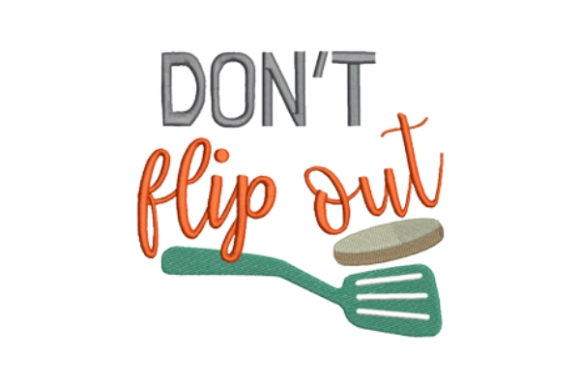
As an embroidery designer who spends countless hours digitizing and testing files, I have learned that the difference between a good design and a great one often lies in its practical application. When I first encountered Don t Flip out on Creative Fabrica, I was immediately drawn to its playful charm. It is not just another generic kitchen motif; it captures a specific, relatable moment of morning chaos with a touch of humor. For those of us who create handmade products for sale or personal use, finding designs that resonate emotionally with the end-user is half the battle. This review breaks down my experience evaluating this design for real-world projects, focusing on stitch quality, versatility, and commercial viability.
First Impressions and Visual Appeal
The visual mood of Don t Flip out is lighthearted and inviting. It perfectly targets the demographic of home cooks who take pride in their breakfast rituals but don’t take themselves too seriously. The design features a whimsical aesthetic that translates well into thread. Upon closer inspection, the balance between text and graphic elements appears thoughtful. In machine embroidery, clutter is the enemy, especially when dealing with smaller hoop sizes. This design seems to maintain enough negative space to ensure clarity without sacrificing detail.
For embroidery designers and crafters, the appeal here is immediate. It fits seamlessly into the broader category of Kitchen decor and apparel. Whether you are looking to create a personalized gift for a friend who loves pancakes or adding a quirky touch to your own apron, the design’s personality shines through. It avoids the overly complex shading that can sometimes plague digital embroidery files, opting instead for clean lines and readable shapes that stitch out reliably.
Real-World Application and Project Ideas
When considering a new download from Creative Fabrica embroidery collections, I always ask myself: "Where will this actually live?" The versatility of Don t Flip out makes it a strong candidate for various substrates. Here are a few project ideas where this design could excel:
- Custom Apparel: Imagine this stitched on the chest of a cozy sweatshirt. The humor pairs well with casual weekend wear. Sweatshirt embroidery requires careful attention to stitch density to prevent puckering, but the open nature of this design suggests it would handle fleece or cotton blends well.
- Kitchen Textiles: The product description explicitly mentions aprons, and for good reason. An embroidered apron is a classic handmade product that sells well at craft fairs. Additionally, consider stitching this onto high-quality kitchen towels or tea cozies. The theme is inherently tied to cooking, making these items logical and desirable pairings.
- Tote Bag Design: Canvas tote bags are staples for eco-conscious shoppers. A bold, centered placement of this design could turn a simple grocery bag into a statement piece. Ensure you use a heavy-cut stabilizer to support the weight of the bag and the tension of the stitches.
- Embroidered Patches: If you want to maximize the utility of a single purchase, consider stitching this out on twill or felt to create iron-on or sew-on patches. This allows customers to apply the design to existing garments, expanding your product line without creating new inventory.
Technical Considerations for Stitching
While the visual appeal is strong, the technical execution is what determines whether a design is worth your time and thread. As a professional, I approach every new file with a critical eye for potential pitfalls. Here are the key technical aspects to consider before loading Don t Flip out into your machine:
Stitch Density and Fabric Choice: The description notes that this is perfect for those who love cooking pancakes. Typically, such designs utilize a mix of satin stitch for borders and fill stitch for larger areas. If you are stitching on stretchy fabric, such as a jersey knit for a t-shirt, you must use an appropriate stabilizer. A tear-away might not be sufficient; consider a cut-away stabilizer to maintain the integrity of the design after repeated washing. For textured fabric like waffle-weave towels, ensure the needle size is appropriate to penetrate the loops without causing runs.
Hoop Size and Placement: Always confirm the hoop size required for this specific file. While many kitchen-themed designs fit within a 4x4 or 5x7 hoop, some variations may require larger frames. Check the product details on the Creative Fabrica page to ensure compatibility with your machine. If you are planning to stitch this on curved surfaces, such as a cap, be mindful of how the design distorts. Caps require specialized hooping techniques and often benefit from designs that are not too wide, to avoid wrapping around the curve excessively.
Thread Colors and Contrast: The success of this design relies heavily on thread color contrast. Since it likely involves text, ensure that the thread colors chosen stand out against the fabric. For dark fabric, you may need to adjust the underlay or use a lighter top thread to ensure readability. Always run a test stitch on scrap fabric before committing to your final garment. This allows you to check for thread breaks, nesting, and overall aesthetic balance.
Commercial Viability and Brand Value
For Etsy sellers and small business owners, the ultimate question is whether Don t Flip out can drive sales. The answer lies in its relatability. Humorous kitchen designs have a consistent market because they make excellent gifts. A personalized gift featuring this design can command a higher price point than a plain item because it offers emotional value.
When listing this as a commercial embroidery product, focus on high-quality product photography. Show the design in context—stitched on an apron with a spatula nearby, or on a mug rug with a stack of pancakes. These printable mockup styles help buyers visualize the finished product in their own homes. Consistency in your brand presentation is key. If your shop specializes in whimsical home goods, this design fits perfectly. If your brand is more minimalist or formal, it might clash. Know your audience.
Furthermore, buyer trust is built on quality. Ensure that your stitched samples are neat, with no loose threads or puckering. Inspect small details after stitching to confirm that the digitizing holds up at scale. A well-executed Don t Flip out can become a signature item in your shop, encouraging repeat customers who appreciate the humor and craftsmanship.
Final Verdict and Best Practices
In conclusion, Don t Flip out is a promising addition to any embroidery designer’s library. It offers a blend of humor and practicality that appeals to a wide range of crafters and consumers. However, success depends on proper execution. Before selling finished items, always review the license terms on the Creative Fabrica product page. Most designs allow for commercial use of finished physical products, but restrictions may apply to digital redistribution.
Remember to check the specific file formats provided to ensure compatibility with your embroidery machine. Whether you are creating a baby blanket, a pillow cover, or a seasonal handmade gift, take the time to test the design. Adjust your tension, choose the right stabilizer, and select thread colors that enhance the design’s playful nature. With careful attention to detail, this design can elevate your handmade products and bring a smile to your customers’ faces.
By integrating Don t Flip out into your product lineup, you are not just selling an embroidered item; you are selling a moment of joy in the kitchen. That is the power of thoughtful design assets. Happy stitching!