Lime Tea Pot: A Seasonal Embroidery Review
As an embroidery designer who spends countless hours digitizing and testing patterns for seasonal collections, I approach every new machine embroidery design with a critical eye. It is not just about whether the stitches look good on my screen; it is about how that design will perform in the hands of an Etsy seller or a home crafter during the high-pressure holiday rush. Recently, I reviewed the Lime Tea Pot design, and I found it to be a surprisingly versatile asset for anyone looking to expand their seasonal embroidery offerings. This piece is not merely a decorative element; it is a strategic tool for creating charm and character in a crowded marketplace.
First Impressions: Mood and Aesthetic Appeal
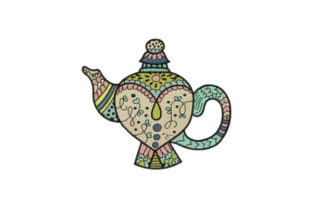
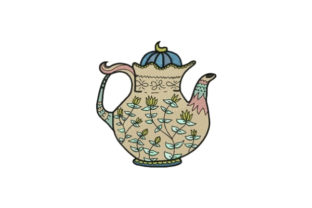
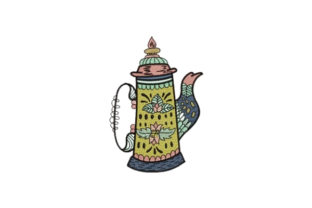
The first thing that strikes you about the Lime Tea Pot is its inherent warmth. In the world of Embroidery, mood is everything. This design does not scream for attention with aggressive colors or complex, chaotic lines. Instead, it offers a cozy, inviting aesthetic that feels both rustic and modern. The imagery evokes the quiet comfort of a winter morning or a refreshing summer afternoon, making it uniquely suited for year-round appeal, though it shines particularly bright during the gift-giving seasons.
The detail level is balanced perfectly for commercial use. It is intricate enough to look premium and handcrafted, yet simple enough to stitch out reliably without excessive thread breaks or jump stitches. For holiday embroidery projects, this balance is crucial. Customers want items that look expensive and thoughtful, but they also need durability. The Lime Tea Pot delivers a playful yet elegant tone that fits seamlessly into trends favoring cottagecore aesthetics, minimalist home decor, and personalized kitchenware.
Strategic Product Applications for Holiday Sales
When planning a small shop product line, versatility is key. You do not want a design that only works on one type of fabric. I tested the potential of this digital embroidery file across various mediums, and the results were promising for several high-margin categories.
- Kitchen Linens: This is the most obvious and profitable application. Kitchen towel embroidery remains a top seller on platforms like Etsy. The Lime Tea Pot looks exceptional on waffle-weave or flour sack towels. The organic shape of the pot complements the texture of the fabric, creating a tactile experience that buyers love.
- Apparel and Sweatshirts: For sweatshirt embroidery, placement is vital. This design works beautifully as a left-chest logo on oversized crewnecks or as a larger centerpiece on the back of a cardigan. It adds a touch of whimsy to neutral-toned garments, which are staples in winter wardrobes.
- Tote Bags and Canvas Items: A tote bag design needs to be bold enough to be seen from a distance. The clear outlines of the tea pot ensure visibility even on textured canvas. These make excellent handmade gift options for teachers, librarians, or book club members.
- Home Decor Accents: Consider using this motif on pillow cover corners or as part of a set of coordinated table runners. It creates a cohesive look for customers decorating their dining spaces for holiday gatherings.
Navigating Technical Challenges and Fabric Constraints
While the design is lovely, practical execution requires attention to detail. As a designer, I must advise caution when applying this pattern to challenging materials. The success of your finished product depends heavily on your setup.
First, consider the hoop size. Ensure that your machine’s hoop can accommodate the design dimensions without distortion. If you are stitching on curved surfaces, such as caps or fitted sleeves, you may need to adjust the pull compensation settings to prevent puckering. Second, pay close attention to stitch density. While the provided description notes the design is ready for sewing, always run a test stitch-out. On thick fabrics like terry cloth towels, a denser stitch might sink in, losing definition. Conversely, on lightweight silks or thin cottons, too much density can cause tearing.
Stabilizer choice is non-negotiable. For stretchy garments like sweatshirts, a cut-away stabilizer is essential to maintain the integrity of the Lime Tea Pot shape after repeated washing. For woven fabrics like linen or cotton towels, a tear-away stabilizer usually suffices, provided the fabric is hooped tightly. Always test thread colors on both light and dark fabrics. A color that pops on white linen might disappear on navy blue. If you are selling on dark garments, consider offering a version with adjusted thread weights or colors to ensure visibility.
Enhancing Brand Consistency and Customer Trust
In the competitive landscape of commercial embroidery, brand consistency builds trust. The Lime Tea Pot offers a distinct visual identity that can help unify a seasonal collection. Imagine a product drop that includes a matching apron, oven mitt, and tea towel, all featuring this motif. This bundling strategy increases the average order value and presents your shop as a curated destination rather than a random assortment of items.
Furthermore, the emotional resonance of Tea-themed imagery cannot be overstated. Tea represents pause, reflection, and comfort. By associating your brand with these feelings, you create a deeper connection with your audience. When customers see this design, they do not just see a pot; they imagine the ritual of brewing a warm cup on a cold day. This emotional hook is powerful for marketing personalized gift items, especially during the holidays when shoppers are looking for meaningful presents.
Marketing and Visual Presentation Tips
To maximize sales, your presentation must match the quality of the stitch work. Create realistic mockups that show the Lime Tea Pot in situ. Use natural lighting and props like loose tea leaves, lemon slices, or vintage books to enhance the narrative. A high-quality printable mockup can save you time and money compared to photographing every single physical sample, but nothing beats a real photo for social media engagement.
When listing this item, highlight the versatility. Mention that it is suitable for an embroidered patch if you offer that service, or as a standalone motif on baby items for a gentle, nursery-friendly vibe. Be transparent about care instructions. Advise buyers to wash embroidered items inside out in cold water to preserve the vibrancy of the threads. This level of care instruction demonstrates professionalism and reduces return rates.
Final Designer Notes
Before you launch this design in your shop, there are a few final checks to perform. Since the product description states that the Lime Tea Pot design is a lovely embroidery ready for your next sewing project, it implies ease of use. However, always verify the specific file formats included in the digital embroidery file package to ensure compatibility with your machine brand. Check the commercial licensing terms explicitly. Some designers allow unlimited sales of finished physical goods, while others have caps or require extended licenses for large-scale production.
Review small details after stitching your test piece. Look for any loose threads or uneven tension that might detract from the premium feel. Adjust your machine’s tension if necessary. Remember, the goal is to create a product that feels special. The Lime Tea Pot has the potential to be a standout item in your seasonal lineup, provided it is executed with precision and marketed with an understanding of its cozy, comforting appeal. By focusing on quality materials, proper stabilization, and thoughtful presentation, you can turn this charming design into a reliable revenue stream for your embroidery business.