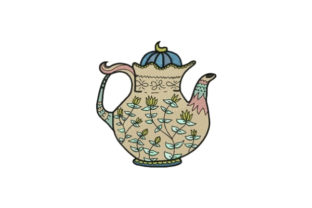
Reviewing the Flower Tea Pot Embroidery Design
As an embroidery designer who has spent years digitizing patterns and testing them on everything from delicate silk to heavy canvas, I approach every new machine embroidery design with a critical eye. Recently, I had the opportunity to test the Flower Tea Pot design for a client’s personalized gift shop. The goal was simple: determine if this pattern could elevate their product line and appeal to customers seeking meaningful, handmade items. After stitching it onto various fabrics and visualizing its potential in a retail setting, I am ready to share my insights on how this charming motif performs in real-world applications.
First Impressions: Charm and Character
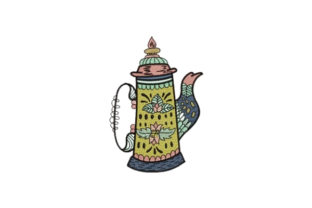
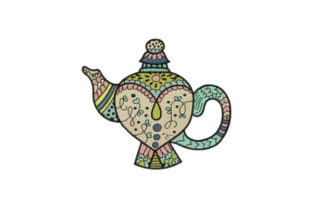
The moment I loaded the embroidery file into my software, the mood of the design became apparent. The Flower Tea Pot exudes a sense of warmth and nostalgia. It is not overly complex, which is often a blessing for production efficiency, but it possesses enough detail to feel substantial and high-quality. The aesthetic leans towards the sweet and elegant side, making it versatile enough for both playful nursery items and sophisticated kitchen decor.
What stands out immediately is the balance between the teapot structure and the floral elements. The flowers add a softness that prevents the design from feeling too rigid or industrial. For a personalized gift, this emotional appeal is crucial. Customers are not just buying a stitched image; they are buying a feeling of comfort and home. This design captures that sentiment perfectly, offering a visual hug that translates well into a handmade product.
Versatility Across Product Lines
One of the strongest assets of the Flower Tea Pot is its adaptability. In my review, I explored several product categories where this design could thrive, particularly for Etsy sellers and small business owners looking to expand their inventory.
- Kitchen Linens: This is perhaps the most natural fit. An embroidered towel featuring this design becomes an instant heirloom. The theme aligns perfectly with tea lovers and home cooks, adding a touch of whimsy to daily routines.
- Nursery and Baby Items: While traditionally associated with adults, the soft curves and floral accents make it suitable for baby embroidery. Imagine this stitched onto a muslin swaddle or a bib. It offers a gender-neutral charm that appeals to modern parents.
- Home Decor: A pillow cover or a tote bag featuring this motif can serve as a subtle accent piece in a living room. It works beautifully for spring-themed collections or as a year-round classic.
- Wedding and Bridal Gifts: For bridal showers or wedding favors, this design can be customized with names or dates. It fits the "something old, something new" vibe, serving as a lovely wedding gift for the hostess or the couple.
For small shop product lines, having a design that works across multiple categories reduces the need for constant new digitization. You can market the same digital embroidery file to different customer segments by simply changing the base product.
Technical Considerations for Professional Results
While the design is visually appealing, executing it flawlessly requires attention to technical details. As a professional, I always advise checking specific parameters before running a full production batch. Since the product description notes that this is a lovely embroidery ready for your next sewing project, it implies user-friendliness, but we must still verify the specifics.
Fabric and Stabilizer Selection
The success of any custom embroidery relies heavily on the interaction between thread, fabric, and stabilizer. For the Flower Tea Pot, I recommend using a cut-away stabilizer for knit fabrics like baby clothes or tote bags to prevent distortion over time. For woven fabrics like linen towels or apron cotton, a tear-away stabilizer may suffice, provided the stitch density is not too high.
Be cautious with textured fabrics. If you are stitching on a thick terry cloth towel, the small details of the flowers might get lost in the pile. In such cases, increasing the stitch count slightly or choosing a simpler version of the design (if available) can help maintain clarity. Always test on scrap fabric first to gauge how the fabric texture affects the final look.
Hoop Size and Placement
Before purchasing or downloading, confirm the available hoop size options. A design that is too large for a standard 4x4 hoop might require re-digitizing or scaling, which can distort the proportions. Ensure that the Flower Tea Pot fits comfortably within your chosen hoop without touching the edges, allowing for proper framing during stitching.
Placement is also key. On curved surfaces like mug wraps or rounded pillow corners, ensure the design is centered and aligned correctly. Misalignment can ruin the perceived value of a finished product, making it look amateurish rather than artisanal.
Enhancing Perceived Value and Giftability
In the world of online selling, presentation is everything. The Flower Tea Pot design has high "giftability" because it feels personal and thoughtful. When photographing your items, consider styling the embroidered piece with related props—such as a vintage teacup, dried flowers, or a cozy blanket. This creates a lifestyle image that helps buyers visualize the product in their own homes.
Using a printable mockup can also help you preview how the design looks on different colors. Contrast is vital; ensure your thread colors pop against the fabric. For dark fabrics, use lighter threads or consider adding a satin stitch border to define the edges. For light fabrics, pastel or vibrant threads can bring out the playful nature of the flowers.
Customer trust is built on consistency. By delivering a high-quality blanket embroidery or apron with clean stitches and no loose threads, you reinforce your brand’s reputation. The Flower Tea Pot supports this by offering a design that is detailed enough to impress but simple enough to reproduce consistently.
Commercial Licensing and Final Thoughts
Before listing any items on Etsy or your own website, always confirm the commercial licensing terms of the digital embroidery file. Some designers allow unlimited sales, while others have caps on the number of physical items you can produce. Since the provided description does not specify license terms, it is essential to check with the creator or platform where you acquired the design to ensure you are compliant.
In conclusion, the Flower Tea Pot is a delightful addition to any embroidery designer’s library. It bridges the gap between classic Tea culture and modern Embroidery trends, offering a versatile solution for various personalized gifts. Whether you are creating a baby shower present, a wedding keepsake, or a charming kitchen accessory, this design provides the charm and character needed to stand out in a crowded market. By paying attention to fabric choice, stabilizer type, and presentation, you can transform this simple pattern into a best-selling item that resonates with customers seeking warmth and authenticity in their handmade goods.